
Technical SEO Services That Make Your Website Easier To Crawl, Index & Rank
Your website can have exceptional content, powerful offers and high-quality backlinks — but if search engines are unable to crawl, render, index and understand your web pages there is little point optimising other areas. Our Technical SEO services resolve the hidden factors influencing crawlability, indexation, Core Web Vitals, website structure, schema and search visibility.
At 4Core Digital, we remove the technical barriers to content discovery for search engines and users, helping websites to rank richer pages, load faster and convert more visitors into leads, enquiries and sales.
Are Hidden Technical SEO Issues Holding Your Website Back?
A technically sound website is table stakes for any modern digital presence. While many websites appear to function well from a visitor's perspective there are often hidden technical SEO issues preventing Google from crawling, rendering and indexing your website correctly.
Are You Experiencing Any Of These Technical SEO Issues?
Not sure what is impacting your technical SEO? Get a free Technical SEO audit and we will review the most critical issues affecting crawlability, indexing, speed and search visibility of your website.
What Is Technical SEO?
Technical SEO refers to the broad group of SEO practices that improve the technical aspects of websites to enhance crawlability, indexation, rendering and overall presence in search engines. Technical SEO works on the backend of a website and is primarily concerned with improving the technical structure to ensure websites are accessible, indexable and rankable.
Google's documentation on technical SEO reveals that crawling, indexing, sitemaps, robots.txt, canonical URLs, JavaScript rendering and mobile usability are critical factors influencing how Google reads and understands webpages.
- Crawlability
- Indexation control
- Core Web Vitals
- Page speed
- Mobile usability
- XML sitemaps
- Robots.txt
- Canonical tags
- Redirect & 404 cleanup
- Internal linking
- Site architecture
- JavaScript SEO
- Structured data / schema
- Duplicate content
- Faceted navigation
- Log file analysis
- Website migration SEO
- Post-fix validation
Why Technical SEO Is The Foundation Behind Every Ranking Page
Content and backlinks are important ranking factors but they operate on a sound technical foundation. If pages are inaccessible or ranked lower than intended due to technical issues such as canonical concerns, poor internal linking or JavaScript inaccessibility Google will fail to fully exploit your content's potential. Technical SEO ensures content discovery, presentation and accessibility are not impeding conversion rates and organic growth.
Technical SEO works in synergy with content, authority and conversion rate optimisation to unlock a website's total organic potential.
Our 4Core Technical SEO Growth Framework
Our unique Technical SEO framework ensures recommendations always fall under one of the four pillars below. This helps to avoid the "random technical fixes" approach and ensures the value provided aligns with one of these core areas.
Crawl analysis, Search Console discovery, indexation intelligence, robots, sitemaps and canonical audits.
Core Web Vitals, page speed, mobile usability, template performance and overall UX.
URL structure, internal linking, navigation, breadcrumbs, schema, duplicate content and page hierarchy.
Developer handoff, implementation support, post-validation and technical SEO maturity.
What's Included In Our Technical SEO Services
Technical SEO should always be focused on resolving technical issues that prevent content discovery, presentation and accessibility. Our Technical SEO service always begins with an in-depth review of crawlability, indexation, performance, structure and accessibility to identify the most impactful issues.
Review crawlability, indexation, site structure, internal links, performance, schema and technical blockers.
Identify broken URLs, redirect chains, duplicate metadata, orphan pages, crawl depth and architecture issues.
Review indexed, excluded, noindexed, canonicalised and duplicate URLs in Google Search Console.
Review LCP, INP and CLS issues across important templates.
Identify speed problems from images, scripts, CSS, fonts, apps, plugins, hosting or theme structure.
Clean sitemaps so they include useful, indexable URLs and remove outdated or low-value URLs.
Check crawl rules so important pages and resources are not accidentally blocked.
Identify incorrect, missing, conflicting or unnecessary canonical tags.
Find broken links, redirect chains, redirect loops, outdated redirects and unnecessary 404 errors.
Review crawl depth, orphan pages, page importance, anchor text and authority flow.
Add or improve schema for services, FAQs, breadcrumbs, products, articles, organization and other relevant page types.
Test whether key content, links and metadata are visible and accessible to search engines.
Improve URL structure, page hierarchy, navigation logic and template organisation.
Support URL mapping, redirect planning, metadata preservation, sitemap updates and post-launch checks.
Provide issue explanations, priority levels, affected URLs, recommended fixes and examples.
Recheck fixes through crawls, Search Console, speed tools and structured data testing.
The exact list of deliverables and recommendations will be determined by your website's specific requirements. Larger websites with extensive technical debt and poor developer resources will need a different approach compared to smaller websites with competent technical teams. See our organic SEO, on-page SEO and link building services for additional recommendations.
We Don't Start With Random Tool Errors
SEO tools can highlight hundreds or thousands of technical issues but not all of them deserve equal priority. Your crawl budget and limited developer resources should be spent on high-impact fixes that directly influence Google's ability to crawl, render, index and rank your website.
That is why we always spend time reviewing your website, crawl data, Google Search Console access, page templates, indexation patterns, business requirements, developer resources and more before recommending a prioritised technical SEO action plan.
- 1Initial technical discovery
- 2Audit crawlability/indexation
- 3Prioritisation by impact/value
- 4Developer-friendly action plan
- 5Fix, validate and monitor
Our Technical SEO Process
A practical month-by-month breakdown of a technical SEO project designed to fix current issues while setting the website up for long-term organic growth.
Website crawl, Google Search Console review, indexation audit, template analysis and analytics review.
Organise issues by impact, value, complexity, SEO risk and business requirements.
Address crawlability, indexation, metadata, redirects, canonicals, sitemaps and robots.txt.
Review Core Web Vitals, suggest improvements, implement schema, architecture and developer handoff.
Monitor crawlability, conduct Google Search Console reviews and post-fix validation audits.
This is a flexible process and the timing will always depend on the website's specific requirements. If a website has serious crawling or indexation issues those will take priority over minor suggestions. If a website has recently launched or migrated technical SEO validation becomes a higher priority to prevent budget waste.
When Can You Expect Technical SEO Improvements?
Technical SEO can provide quicker wins by resolving major crawl or indexation issues but the results timeline will always depend on the website's technical complexity, competition, content quality, domain authority, Google's behaviour and developer resources. Technical SEO recommendations do not create guaranteed traffic growth but should help to improve Google's perception of your website.
Here is an approximate timeline for most technical SEO projects:
Technical SEO is not a magic wand that will artificially inflate rankings or traffic. It resolves technical barriers that prevent Google from indexing and ranking your web pages. Google does not promise crawling, indexing or ranking so we focus on technical SEO foundations that make it easier for Google to access your content, understand its value and present it to relevant users.
Technical SEO Strategies Built Around Your Website Type
Technical SEO issues are unique to every CMS and business. An e-commerce store will have different requirements vs a local directory. A SaaS website will require different advice compared to a content news publisher.
Plugins, themes, speed, schema, indexation, XML sitemaps, internal links and duplicate content.
Duplicate product URLs, collection structure, theme speed, app scripts, schema, filters and indexing rules.
Product/category structure, plugin conflicts, performance, schema, crawl issues and WordPress SEO settings.
Large catalogue crawl control, faceted navigation, duplicate pages, pagination, canonicals and performance.
JavaScript rendering, product pages, feature pages, documentation structure, indexation and internal links.
Service page crawlability, location pages, Google Maps signals, local schema and mobile usability.
Crawl budget, log file insights, site architecture, duplicate URLs, sitemap management and indexation control.
Article structure, internal linking, schema, performance, crawl frequency and indexation quality.
Rendering, URL structure, server response, crawlability, structured data, performance and code-level SEO issues.
URL mapping, redirects, metadata preservation, canonical review, sitemap updates and post-launch monitoring.
Technical SEO For Google, AI Overviews & Modern Search
Search evolution is continuous but technical SEO fundamentals remain paramount. Modern search experiences such as AI Overviews rely on traditional crawling, indexing and rendering mechanisms to find and understand webpages. If Google is unable to crawl, render or index your website it will not appear in traditional search results, AI Overviews or other emerging search features.
Modern SEO still requires crawlable, indexable and high-quality content that Google can render consistently across device types. Google still prioritises websites with stronger technical SEO fundamentals, faster performance, mobile-friendly design and better accessibility. See our AI SEO service for additional recommendations.
- Crawlable & indexable pages
- Clear website architecture
- Strong internal linking foundations
- Schema markup for critical content
- Fast page templates
- Mobile-first usability
- Accessible main content
- Clean canonical URL hints
- Proper sitemap/robots management
- Helpful content with supporting technical SEO
- Clear organisational/service/product/local information
- JavaScript content rendering & accessibility
What You Receive Every Month
Technical SEO should always be focused on making your website easier to access, index and understand by search engines. You should never receive a vague list of tool warnings every month. Instead, the focus should always be on actionable recommendations that directly influence crawlability, indexation, performance and conversions.
Reporting should always be focused on issues affecting crawlability, indexation, performance and conversion rates rather than vague metrics. Where possible we will focus on technical SEO improvements that correlate with impressions, clicks, rankings, organic traffic and conversions.
Real SEO Growth Stories Supported By Strong Foundations
Past client successes are a useful reference but they should never be used as a guarantee of future results. Every website is unique and the final outcome will always depend on a website's technical complexity, competition, content quality, domain authority, budget allocation, technical implementation and more. The case studies below highlight the types of improvements 4Core Digital has been able to deliver for its clients.
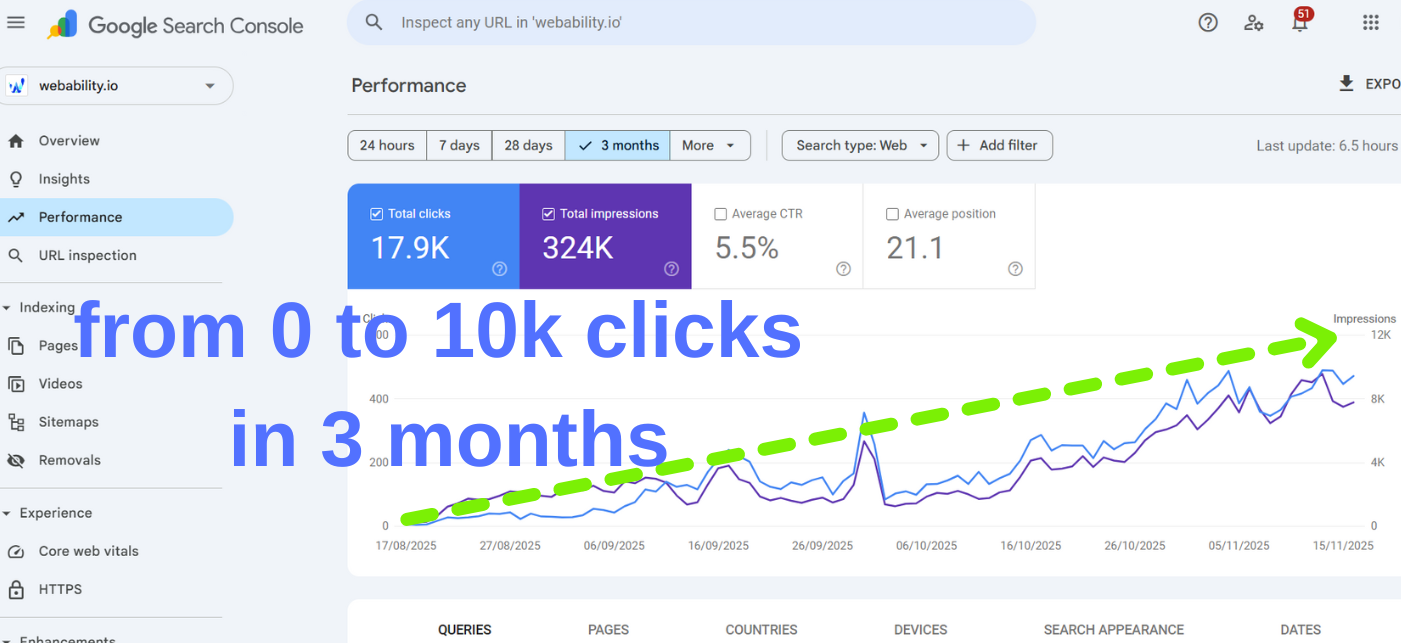
+10,000 Organic Clicks in 3 Months from Zero for SaaS Platform
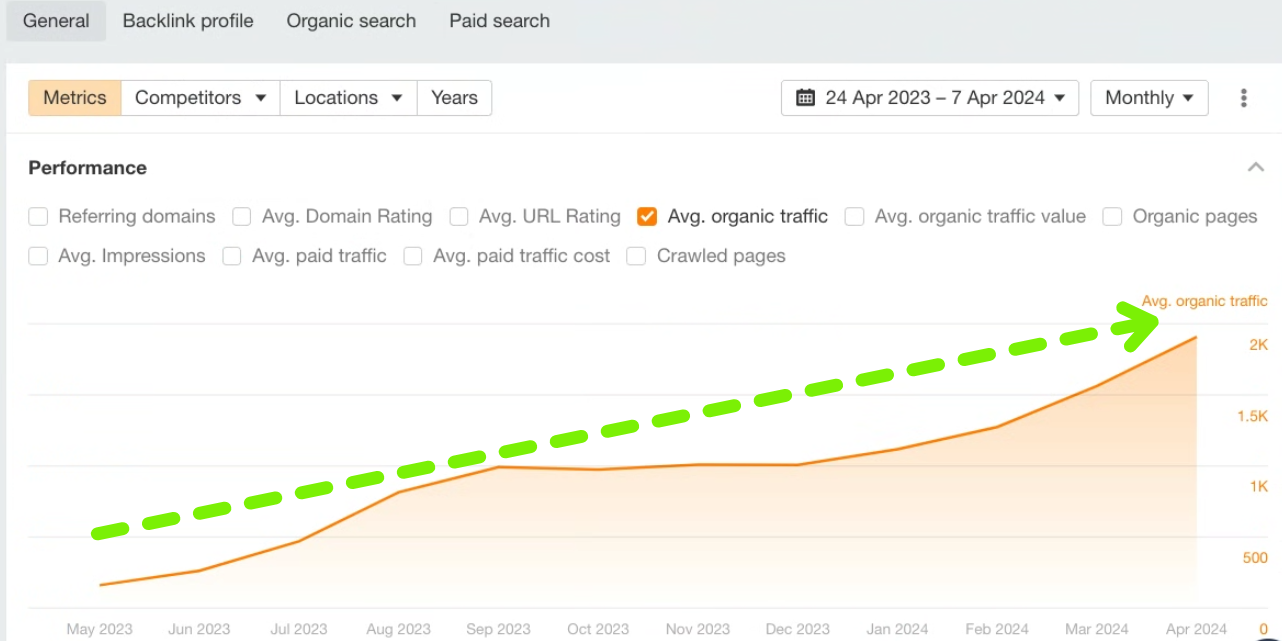
+1,200 Organic Traffic Growth for eCommerce Brand
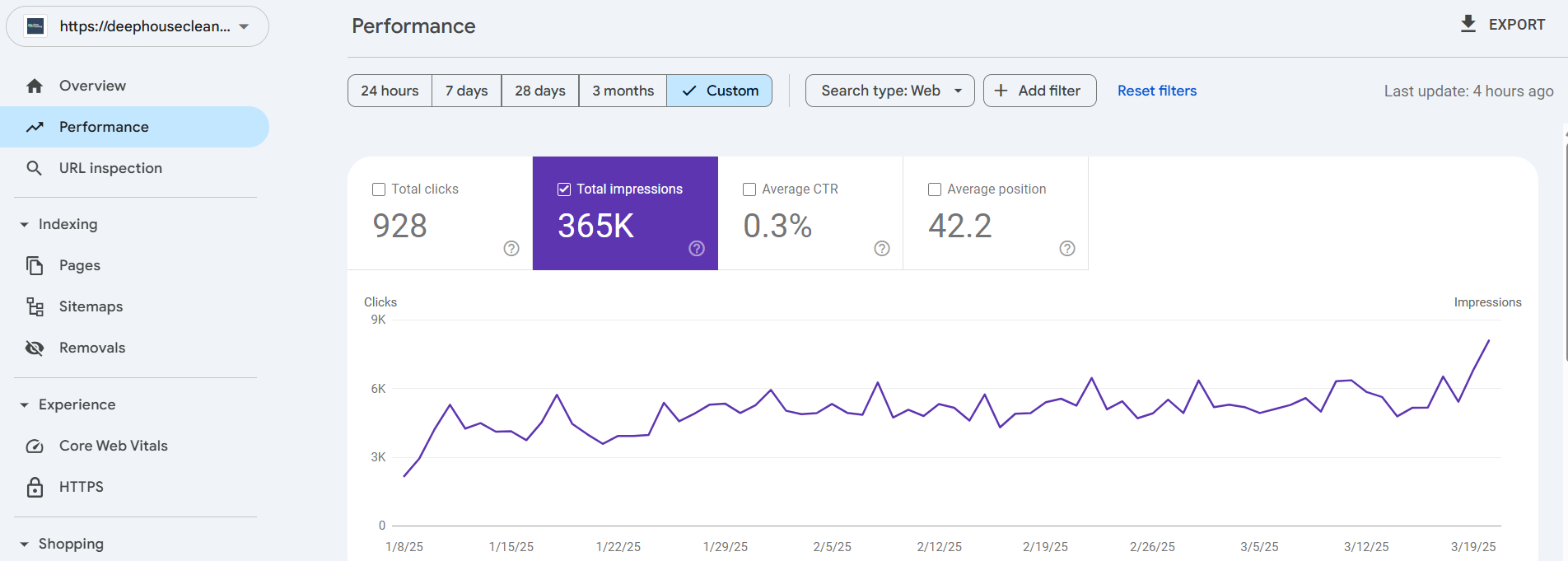
Cleaning Business SEO Growth: 365K Impressions & 715 Ranking Keywords
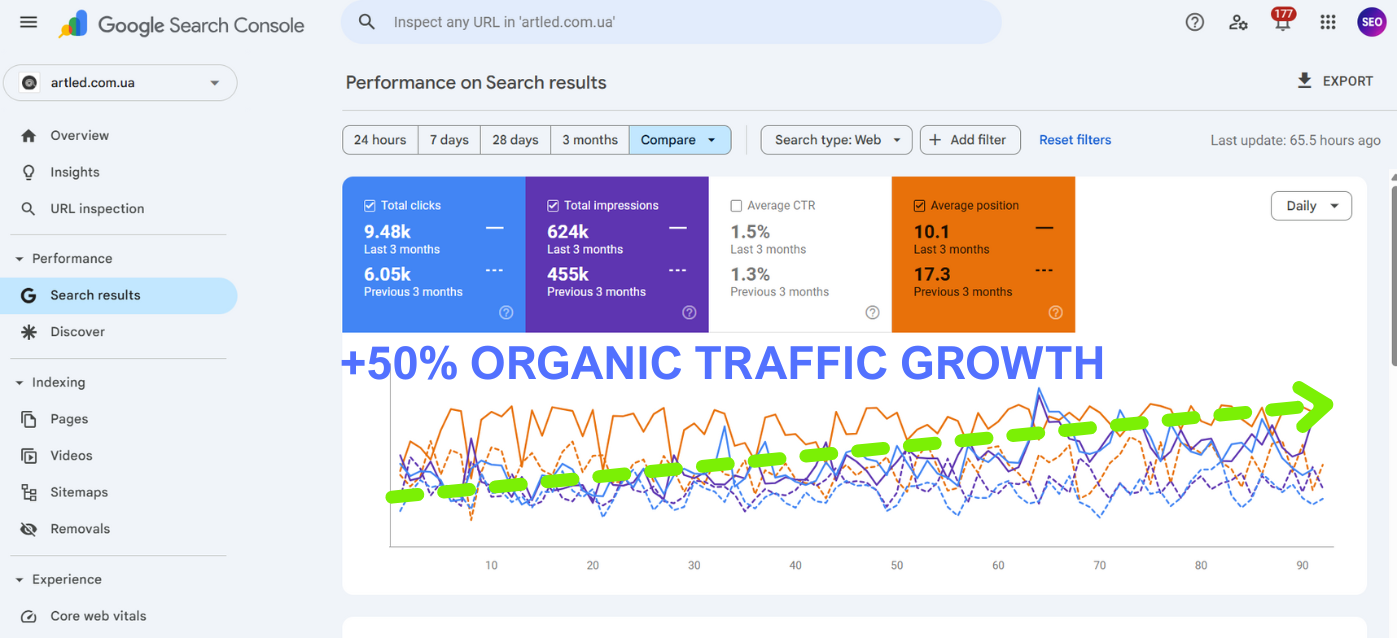
+50% SEO Organic Traffic Growth in 3 Months for Lighting Store
What Clients Say About Working With Hunny
"Hunny is brilliant to work with - he gets on with the job with no micromanagement needed. Fast worker and detail orientated. We're already seeing great results from the work he's done! Would recommend him to anyone."
"Hunny is committed to quality, reliable, clear communicator and very efficient. Highly recommend."
"It was a pleasure to work with Hunny, he was extremely professional and easy to work with, and the final result was exactly what I needed. I would definitely recommend this freelancer and will use his services again."
Why Choose 4Core Digital For Technical SEO?
Technical SEO requires two core skills: understanding the issues and being able to implement meaningful changes. We do not simply highlight a list of technical issues for your developers to resolve.
Frequently Asked Questions About Technical SEO Services
What is Technical SEO?
Technical SEO is the process of improving the technical foundation of a website so search engines can crawl, render, index and understand it more effectively. It includes crawlability, indexation, page speed, Core Web Vitals, site architecture, schema, redirects, canonicals, sitemaps, robots.txt and mobile usability.
Why is Technical SEO important?
Technical SEO is important because hidden issues can stop your best pages from being discovered, indexed or evaluated properly. If your website has crawl issues, indexing errors, duplicate URLs, slow templates or poor structure, your content may not perform as well as it should.
What does a Technical SEO audit include?
A Technical SEO audit can include crawl analysis, indexation review, Core Web Vitals, page speed, schema, redirects, canonicals, mobile usability, internal linking, XML sitemap, robots.txt, JavaScript rendering and site architecture checks.
Can Technical SEO improve rankings?
Technical SEO can support better rankings by removing barriers that prevent search engines from accessing, understanding and evaluating important pages. However, rankings also depend on content quality, authority, competition and search intent.
Do you fix the issues or only provide a report?
Depending on access and project scope, we can either implement fixes directly or provide a developer-ready handoff with clear instructions, affected URLs, examples and priority levels.
Do you work with developers?
Yes. We often work with developers by providing clear technical recommendations, issue explanations, affected URLs, examples, priority levels and validation steps.
Can you help with Core Web Vitals?
Yes. We review LCP, INP and CLS issues and provide recommendations to improve loading performance, interactivity and visual stability across important page templates.
Can you help with website migrations?
Yes. We can support website migrations with pre-migration crawl checks, URL mapping, redirect planning, metadata review, sitemap updates, canonical checks, tracking checks and post-launch monitoring.
Which platforms do you support?
We support WordPress, Shopify, WooCommerce, Magento, Wix, Webflow, Squarespace and custom CMS websites.
How often should Technical SEO be reviewed?
Technical SEO should be reviewed before and after major website changes, during migrations, after redesigns, when traffic drops and regularly for websites that publish, scale or change frequently.
What are crawlability and indexation issues?
Crawlability issues stop search engines from accessing important pages. Indexation issues happen when the wrong pages appear in Google, important pages are excluded or duplicate URLs compete with each other.
What is the difference between robots.txt and noindex?
Robots.txt controls which URLs crawlers can request. Noindex tells search engines not to include a page in search results. They work differently, so using the wrong one can create SEO problems.
Do you provide schema markup?
Yes. We can review and add structured data where relevant, including Organization, Service, FAQ, Breadcrumb, Product, Article, LocalBusiness and other schema types that match visible page content.
Can Technical SEO help eCommerce websites?
Yes. eCommerce websites often need technical SEO support for product URLs, category pages, faceted navigation, duplicate content, pagination, filters, schema, internal links, sitemaps and crawl control.
Can Technical SEO help with traffic drops?
Yes. If traffic has dropped after a migration, redesign, plugin change, theme change, indexing issue or technical error, a Technical SEO audit can help identify what may have changed and what needs fixing.
Ready To Fix The Technical SEO Issues Holding Your Website Back?
Get a free Technical SEO audit and find out what is affecting your crawlability, indexation, speed, site structure and search performance.
No guesswork. No fake guarantees. Just a clear technical SEO roadmap built around your website, your platform and your growth goals.
- Crawlability review
- Indexation snapshot
- Google Search Console review where access is available
- Core Web Vitals review
- Page speed issue review
- XML sitemap review
- Robots.txt check
- Canonical tag review
- Redirect and 404 check
- Internal linking review
- Schema issue review
- Mobile usability review
- JavaScript SEO review where relevant
- 90-day technical SEO priority recommendations